Home
How to Find and Apply High Quality Backgrounds for Edits in Your Videos
For high-quality backgrounds for edits , professional creators prioritize repositories like Pexels and Unsplash for static imagery, and Pixabay or specialized YouTube channels for 4K motion loops. In 2026, the trend has shifted toward "Aesthetic" lo-fi textures and Sci-Fi VJ loops. To fix aspect ratio mismatches, the Gaussian Blur Duplicate technique remains a standard, while AI Generative Fill is widely used to expand canvases, despite some reported inconsistencies in complex scenes.
What Are the Most Popular Styles for Video Edits Right Now?
A great edit is only as effective as its foundation. Whether you are crafting a quick TikTok transition or a high-end music video, the background dictates the emotional resonance of the piece. According to recent search data, the "Aesthetic" sub-niche has seen a massive surge, with over 319,000 searches on Pinterest for this specific category. This indicates a strong preference for visuals that prioritize mood over literal representation.
Why Aesthetic and Retro Themes Dominate Social Media
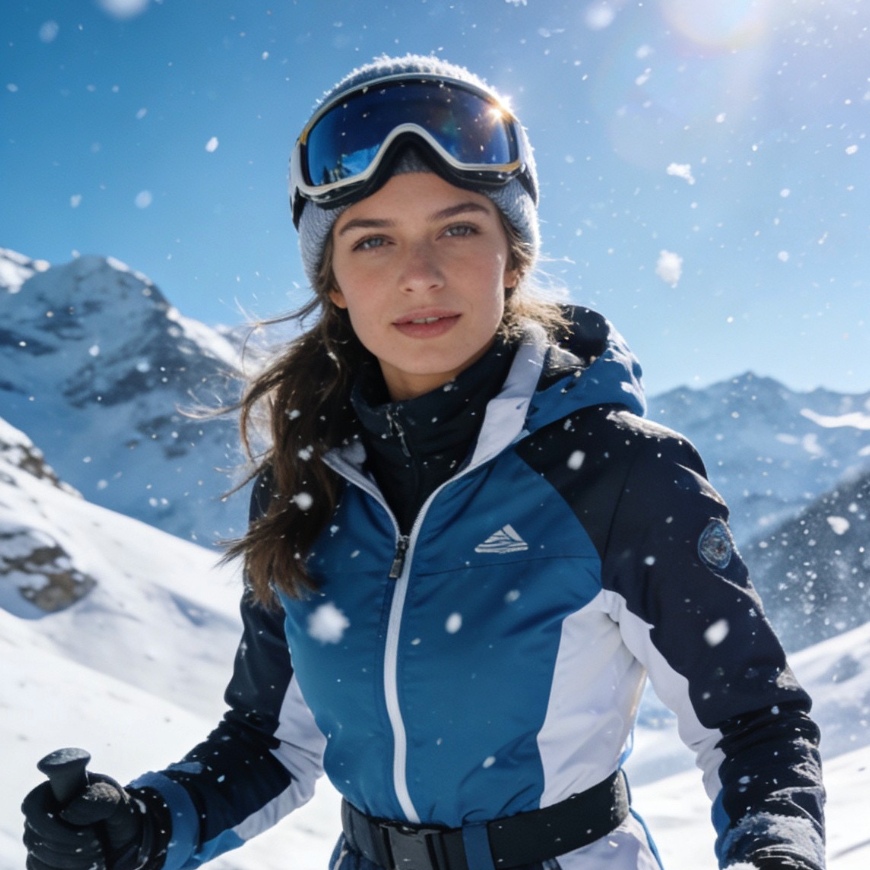
The "Aesthetic" movement is characterized by soft color palettes, intentional film grain, and paper textures. These backgrounds are a top choice for "lo-fi" beats, study vlogs, and fashion edits. The goal is to create a sense of nostalgia. Common elements include light leaks, dust overlays, and muted pastel tones. Editors often layer these static images with subtle motion effects like "turbulent displace" to give them a living, breathing quality.
The Rise of Sci-Fi Corridors and Pixel Tunnels
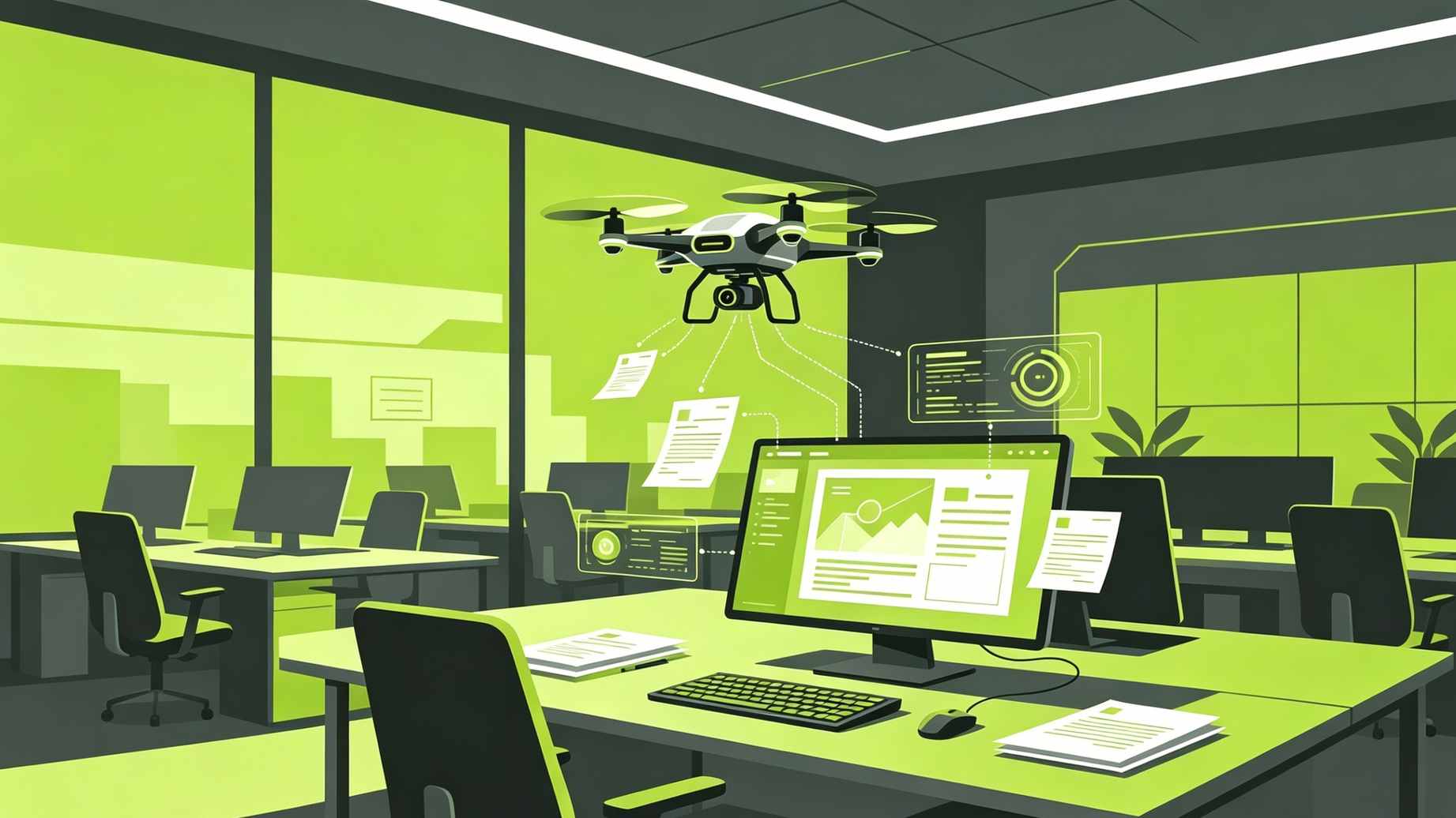
For gaming edits and high-energy montages, Sci-Fi corridors and infinite pixel tunnels are among the most sought-after assets. These motion backgrounds provide a sense of forward momentum that static images cannot match. Channels like AA-VFX have popularized 4K loops that feature neon lighting and geometric depth. These are particularly effective when synced to the beat of a song, using "time remapping" to speed up or slow down the background in tandem with the music.

Image source: Pinterest
Nature Elements for Cinematic Storytelling
Cinematic backgrounds often lean on natural elements: slow-moving clouds, falling rain, or flickering fire. These are not just for nature documentaries; they are frequently used as "overlays" or "backplates" for talking-head videos. By placing a subject in front of a high-resolution sky loop, an editor can transform a boring bedroom shot into a professional-looking studio set. The key is matching the lighting of the subject to the color temperature of the background.
Where to Download High Quality Motion and Static Backgrounds for Free
Finding assets that are both high-quality and legally safe for commercial use is the first hurdle for any editor. While many sites claim to offer free content, the resolution and licensing terms vary significantly. As of late 2026, several platforms stand out for their reliability and asset volume.
Top Repositories for Royalty-Free Static Images
For static backgrounds, Pexels and Unsplash remain the industry standards. Pexels currently hosts over 600,000 free background images, many of which are available in 4K or even 8K resolution. These sites are widely regarded as some of the best sources because they offer "CC0" or similar licenses, meaning you can use the assets in commercial projects without mandatory attribution. This is a significant advantage for YouTubers who want to avoid copyright claims.
Sources for 4K Motion Backgrounds and VJ Loops
When it comes to motion, Pixabay Video is a highly recommended resource. It offers a vast library of MP4 and MOV loops that range from abstract liquid simulations to realistic space travel. For those looking for more stylized "VJ loops"—which are designed to be perfectly seamless—YouTube remains a goldmine. However, creators must be careful to check the description for "No Copyright" or "Creative Commons" designations to ensure they aren't infringing on an artist's rights.
Interactive and Lottie Templates for Web Edits
A notably innovative advancement in recent years is the use of Lottie files for backgrounds. Platforms like Jitter provide animated background templates that are code-based rather than pixel-based. This makes them exceptionally lightweight and scalable, which is ideal for mobile app UI edits or web-based video projects. While the free tiers often cap resolution at 720p, the vector-like quality ensures they look sharp even when scaled up.
How to Fix Common Aspect Ratio Problems with Background Edits
One of the most frequent challenges editors face is the "mismatch" between their asset and their timeline. For example, trying to fit a horizontal 16:9 photo into a vertical 9:16 TikTok frame often results in ugly black bars. Professional editors have developed several workflows to solve this without losing visual quality.
The Gaussian Blur Duplicate Fix for Vertical Video
This technique is a standard in the industry for its simplicity and effectiveness. Instead of leaving black bars at the top and bottom of a photo, you duplicate the background layer. You then scale the bottom layer until it fills the entire frame and apply a heavy Gaussian Blur (usually between 20 and 50 pixels). This creates a color-matched, ambient border that feels intentional rather than accidental. It is a popular choice for news segments and social media reposts.
Using AI Generative Fill to Expand Your Canvas
With the integration of AI into tools like Photoshop and Premiere Pro, "outpainting" has become a common workflow. By selecting the empty areas of a frame and using Generative Fill, the software can "imagine" what the rest of the background would look like. However, community members on platforms like Reddit have noted that this can be inconsistent. For high-detail or historical photos, the AI may produce artifacts. A pro tip is to "invert your selection" and provide a very specific prompt to force the AI to maintain the lighting and texture of the original asset.
Advanced Techniques to Make Static Backgrounds Look Dynamic
A static background can often feel "dead" in a high-energy edit. To combat this, power users employ techniques that add artificial depth and texture, making a simple photo feel like a high-budget cinematic shot.
Creating the 2.5D Parallax Effect
The 2.5D parallax effect—often called the "Ken Burns effect on steroids"—involves separating the subject from the background. You first use a tool like Photoshop’s "Select Subject" to cut out the foreground. You then fill the hole in the background using Content-Aware Fill. In your editing software (like After Effects), you place the subject and background on different layers in 3D space. By moving a virtual camera or scaling the background layer slightly on the Z-axis, you create a sense of physical depth that is remarkably effective for storytelling.
The Analog Texture Hack for Organic Vibes
In a world of perfect digital pixels, many editors crave an "organic" look. A unique technique involves re-shooting a digital background off a physical monitor. By using a macro lens to film your computer screen while the background loop is playing, you capture the physical "moiré" patterns and the actual RGB sub-pixels of the monitor. This adds a layer of grit and reality that digital filters often fail to replicate. It is a significant step forward for those aiming for a "cyberpunk" or "retro-tech" aesthetic.
Choosing the Right File Format for Your Editing Software
Not all background files are created equal. The format you choose impacts both the playback performance of your editing software and the final quality of your export. Below is a comparison of the most common formats used in 2026.
| Format | Best Use Case | Pros | Cons |
|---|---|---|---|
| MP4 (H.264/H.265) | Social Media / General Use | Small file size, universal compatibility. | Lossy compression; can show "banding" in gradients. |
| MOV (ProRes 4444) | High-End Production | Supports Alpha (transparency), lossless quality. | Massive file sizes; requires fast storage. |
| WebM | Web Overlays / Streaming | Extremely lightweight, supports transparency. | Limited support in some legacy editors. |
| Lottie (JSON) | App UI / Web Edits | Scalable vector graphics, tiny file size. | Requires specific plugins to render in video. |
Understanding Licensing and Copyright for Social Media
The term "free" is often used loosely in the creative world. It is vital to distinguish between "Free to Download" and "Free to Use." Most backgrounds for edits found on major stock sites are royalty-free, meaning you pay once (or not at all) and can use the asset multiple times. However, some "No Copyright" YouTube channels still require you to paste a specific credit line in your video description to avoid a Content ID strike. Always verify the license before hitting the "Export" button on a commercial project.
The Bottom Line on Choosing Backgrounds for Edits
Selecting the right background is a balance of aesthetic "vibe" and technical execution. To ensure your edits stand out in 2026, follow this checklist:
- Match the Niche: Use lo-fi aesthetic textures for social vlogs and neon VJ loops for gaming or music content.
- Prioritize Resolution: Always aim for 4K assets to future-proof your work, even if your final export is 1080p.
- Fix Aspect Ratios: Use the Gaussian Blur duplicate method or AI Generative Fill to eliminate black bars.
- Add Depth: Implement the 2.5D parallax effect to turn static photos into dynamic 3D environments.
- Check Licenses: Ensure your assets are royalty-free to avoid copyright strikes on platforms like YouTube and TikTok.
Start by downloading a few high-resolution loops from a trusted repository and experiment with blending modes to create a look that is uniquely yours.
Frequently Asked Questions
There is no single "best" background, as the choice depends entirely on your project's mood. For social media, "Aesthetic" backgrounds with grain and soft colors are currently among the top choices. For high-energy gaming or music videos, 4K Sci-Fi corridors and VJ loops are widely regarded as the most effective options for maintaining viewer engagement.
Yes, CapCut offers robust tools for background manipulation. You can use the "Remove Background" feature to isolate a subject and then use the "Overlay" function to place a new motion background behind them. Many creators also use CapCut's built-in "Canvas" settings to apply a blurred version of the video as a background to fix aspect ratio issues.
Pinterest is an excellent starting point for visual inspiration and finding curated boards. For high-resolution, royalty-free downloads, Pexels and Unsplash are top-tier repositories. These sites offer hundreds of thousands of images that fit the aesthetic trend, including paper textures, sky gradients, and minimalist interiors, all available without cost.
You can add motion to a static image using keyframes. The most common method is a slow "scale" or "position" move, often called the Ken Burns effect. For a more professional look, you can apply effects like "Wave Warp" or "Turbulent Displace" to create subtle movement in elements like water or clouds, making the image feel like a video loop.
In 2026, 4K (3840x2160) has become the standard for high-quality video production. Even if you are exporting your final video in 1080p for TikTok or Instagram, using a 4K background allows you to zoom in or crop the image without losing sharpness. This flexibility is crucial for creating dynamic camera movements within your editing software.